From the globally published book extra•ordinary and its accompanying gallery installations to ongoing publications on Substack, Medium, and Japanese business media, exploring everyday creativity and innovation. 世界で1.1万部販売された著書『extra•ordinary』やLA個展から、Substack、Medium、翔泳社BizZineでの連載まで、日常の観察から生まれる発想と先端AI設計の知見を発信しています。
Co-authored, photographed, and designed with architect Hisako Ichiki. Published by Rockport Publishers, selling over 11,000 copies worldwide. 建築家・一木久子氏との共著。日用品を独自の視点で観察し新たな用途へと再編集。Rockport社より全世界で出版され、1.1万部以上を記録。
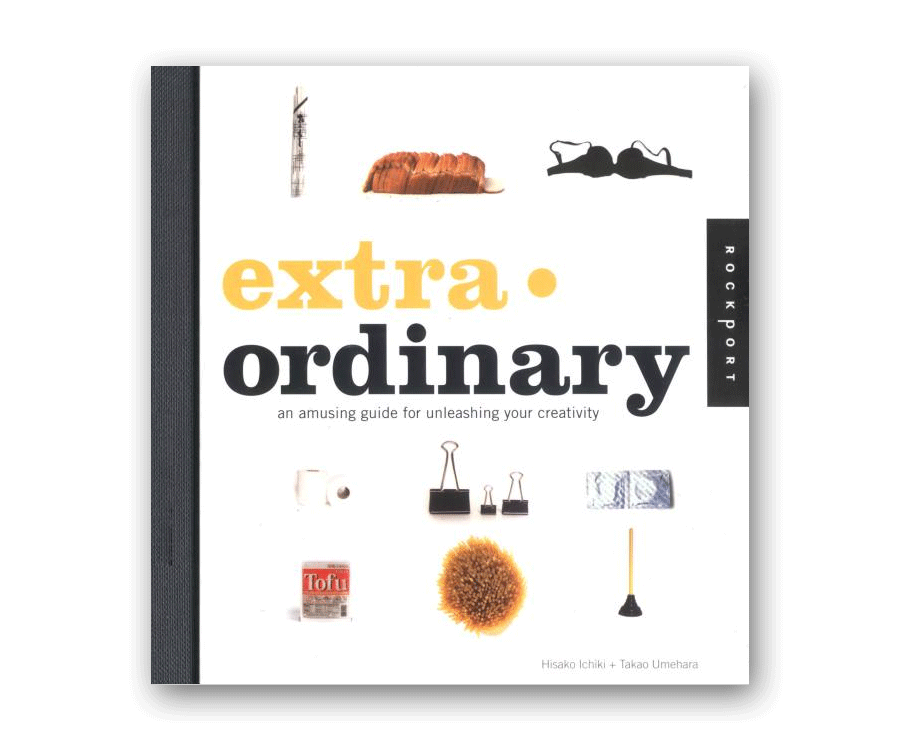
Everyday objects have latent possibilities far beyond their manufactured purpose. A paper clip becomes an architectural cantilever; a rubber band transforms into a musical chord. This book documents playful functional reinventions, curated through extensive photography and design commentary. 日用品には本来の用途を超えた無限の可能性が潜んでいます。クリップが建築の梁になり、輪ゴムが楽器の弦になる。徹底した観察とユーモラスな再定義を通じて、誰もが持つ創造性の扉を開くビジュアルブック。
Deep dives into AI-native product architecture, agent orchestration, and why precision of intent replaces manual UI scaffolding. AI時代のプロダクトアーキテクチャ、エージェント協調、そして「意図の明確化」がどのように従来のワイヤーフレームやUI制作を変革するかを探求。
When AI models can generate infinite code and UI in seconds, the bottleneck shifts entirely from production speed to the clarity and rigor of human intent. AIがコードやUIを一瞬で大量生成できる時代、最大のボトルネックは「制作速度」から「人間が何を求めているかという意図の明確さ」へと移行します。
Why monolithic prompts inevitably collapse under context limits, and how architectural decomposition into skills, rules, and memory makes agents scalable. 単一の長大プロンプトがなぜ文脈崩壊を起こすのか。スキル・ルール・メモリのファイル構造へモジュール分割するアーキテクチャの必須性を解説。
Mapping the exact threshold where autonomous agents should execute versus where subjective human taste, ethics, and strategic direction must govern. 自律エージェントに任せるべき定型領域と、人間の美意識・倫理・戦略的意思決定が絶対に介入すべき境界線を体系化。
Exploring cognitive biases that cripple product innovation and how the 8 systematic thinking tools liberate teams from conventional thinking. 新事業やプロダクト開発を阻む無意識の思い込みを解き明かし、8つの発想フレームワークでブレイクスルーを生み出す思考法。
Why experienced teams instinctively repeat solutions that worked yesterday, and how subtraction and attribute dependency uncover non-obvious product opportunities. 経験豊富なチームほど過去の成功体験に縛られる心理的要因と、「引き算」や「属性依存」を用いた非連続な解決策の見つけ方。
Creativity is not lightning striking in the dark — it is a learnable, repeatable cognitive discipline. An overview of the 8 BreakBias transformation patterns. ひらめきは偶然の産物ではない。反復可能で誰もが習得できる発想の構造と、BreakBiasのコアとなる8つの変形技法。
Case studies from workshops conducted with Microsoft, Google, Tiffany & Co., and Dentsu, solving real product, brand, and organisational bottlenecks. Microsoft、Google、ティファニー、電通などでのワークショップ実績と、事業課題を打破した具体的事例。
A featured 3-part publication series in Shoeisha's business innovation journal Biz/Zine exploring cognitive bias elimination for corporate strategy. 翔泳社のビジネスメディア「Biz/Zine」に寄稿した連載記事。イノベーション推進者や新規事業担当者に向け、思考バイアスの打破法を体系的に解説しています。
Part 1 of the BizZine series. Analyzing why conventional brainstorming often reinforces existing paradigms rather than disrupting them. 従来のブレインストーミングがなぜ似たり寄ったりのアイデアに終わるのか。心理的制約を取り払い、既存の枠組みを超えるメカニズムを解説。
Part 2 of the BizZine series. Practical application of SIT (Systematic Inventive Thinking) principles customized for business and product development. 「引き算」「分割」「掛け算」など、具体的な思考ツールを使って既存プロダクトの要素を組み替え、新価値を創出する手法。
Part 3 of the BizZine series. How to embed creative friction and disciplined innovation into everyday corporate routines. 一過性のイベントで終わらせず、チームや全社で自発的なイノベーションを持続させるための評価と対話のデザイン。